
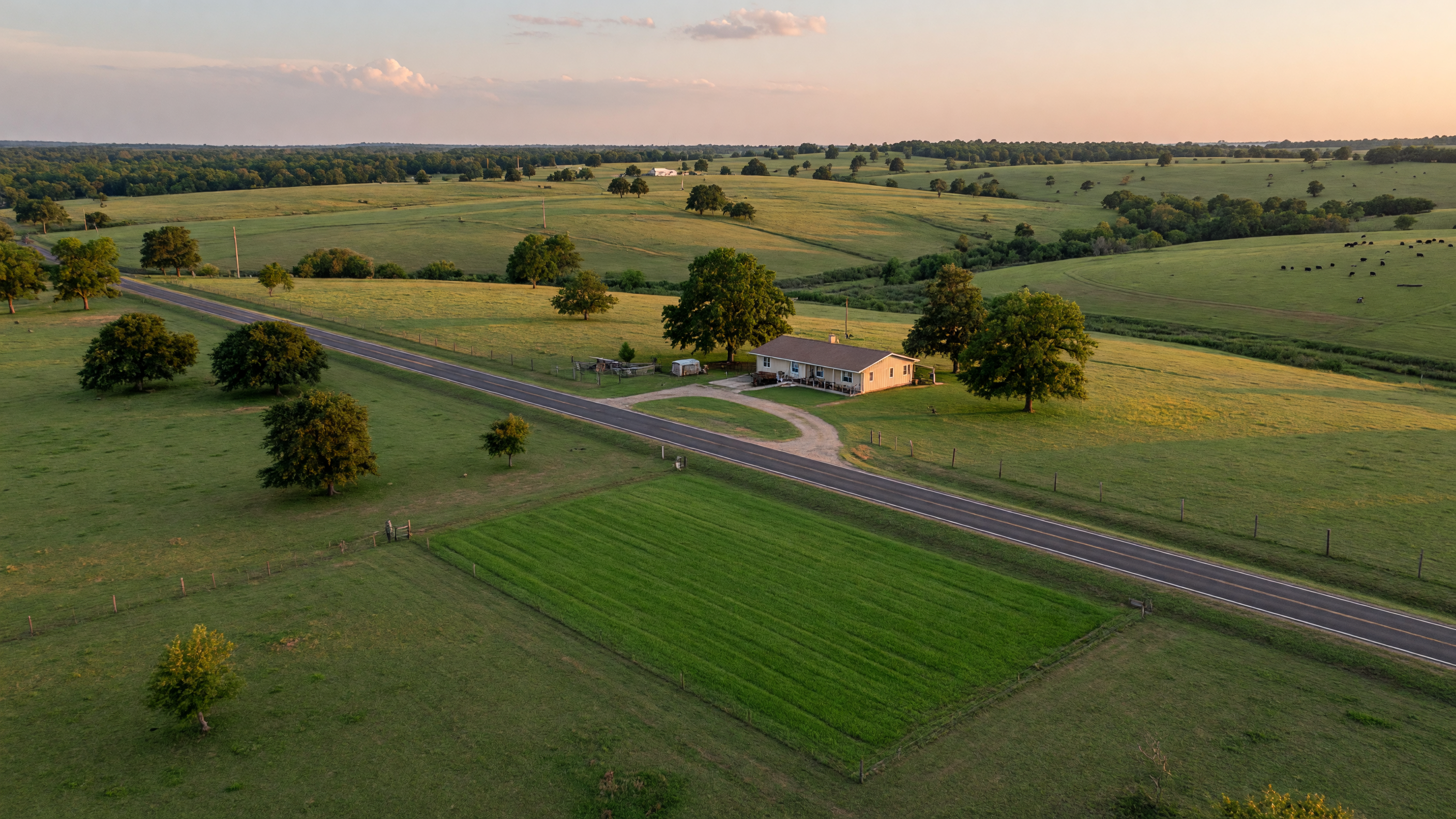
If you are shopping for acreage in Northeast Texas, you have probably thought about the land, the views, and the lifestyle. But there is one critical system sitting beneath the surface that can make or break a rural property purchase: the septic system.
For buyers looking at homes on acreage in Lamar County, Fannin County, Red River County, and the surrounding Northeast Texas region, septic systems are a reality. Most rural properties outside the Paris city limits and smaller town water districts do not connect to a municipal sewer line. Instead, they rely on an on-site septic system to handle all of the household wastewater. Understanding how these systems work, what to look for, and what questions to ask before closing is one of the most important steps you can take as a buyer.
Shannon and Scott have walked hundreds of buyers through acreage transactions across Northeast Texas. One of the things that sets the SMiles Experience apart is the attention to the details that other agents might gloss over. And in rural real estate, the septic system is one of those details that deserves a closer look.
What Is a Septic System and How Does It Work?
A septic system is a self-contained, underground wastewater treatment system commonly used in rural areas where municipal sewer lines are not available. The basic setup includes a septic tank and a drain field, sometimes called a leach field. All the water from your toilets, sinks, showers, and appliances flows into the septic tank, where solids settle to the bottom and liquids are partially treated before flowing out to the drain field.
The drain field is a network of perforated pipes buried in gravel-filled trenches or chambers. The partially treated water filters through the soil, which provides natural biological treatment before the water eventually reaches the groundwater. The whole system depends on one key factor: the soil's ability to absorb and filter water. That is where soil percolation, or perc testing, comes in.
Why Septic Systems Matter When Buying Acreage in Northeast Texas
In Lamar County and across Northeast Texas, a large percentage of rural properties depend on septic systems. Unlike a municipal sewer connection, where the city handles maintenance and repairs, a septic system is the homeowner's responsibility. That means the condition, age, and design of the system directly affect the value and livability of the property you are buying.
The clay-heavy soils common in parts of Lamar County, Red River County, and Fannin County can present specific challenges for septic drain fields. Clay absorbs water more slowly than sandy or loamy soils, which means the system has to be designed appropriately for the site. If the soil was not properly tested or the system was not installed correctly, you could be looking at drain field failure, standing water, or even a complete system replacement.
A full septic system replacement in Northeast Texas typically runs between eight thousand and twenty-five thousand dollars, depending on the type of system, the size of the home, and the soil conditions. That is not a small number, and it is one of the most common unexpected costs our buyers face when they purchase acreage without a proper septic inspection.
What Buyers Often Overlook
Over the years, Shannon and Scott have seen the same septic-related issues come up again and again in rural transactions. Here are the most common things buyers miss.
Age of the System
Most conventional septic systems have a functional lifespan of twenty to thirty years. After that, the drain field can begin to fail as the soil becomes saturated and compacted. If you are buying a home that was built in the 1990s or earlier and the septic system has never been replaced, that is a detail worth investigating. Ask the seller or the listing agent for documentation on when the system was installed. If no records exist, a professional inspection is essential.
Maintenance Records
A septic system that has been regularly pumped and maintained is very different from one that has been ignored. Pumping the tank every three to five years removes the solid buildup that can clog the drain field and cause premature failure. When a seller can show consistent maintenance records, it is a strong indicator that the system has been cared for. When there are no records at all, that is a warning sign.
Soil Perc Results
The original perc test, typically performed when the system was first permitted, determines how the drain field is designed and sized. But soil conditions can change over time due to erosion, compaction, or changes in water table levels. If you are buying a property where the septic system was designed decades ago, it is worth confirming that the current soil conditions still support the existing system. This is especially important for properties with slopes, creek frontage, or heavy clay soils, all of which are common across Northeast Texas.
Setback Requirements
Texas Commission on Environmental Quality guidelines and local county regulations require minimum distances between septic components and various features of the property. A drain field must typically be set back at least fifty feet from a well, one hundred feet from a surface water source, and ten feet from property lines. If the home or any future additions, fences, or structures are planned too close to the system, it can create compliance issues. This is another area where a knowledgeable agent saves you from headaches down the road.
Repair and Replacement Costs
The cost of septic repairs varies widely. A simple tank pump costs a few hundred dollars. A drain field repair can run several thousand. A full system replacement, especially if advanced treatment is required due to soil limitations, can reach the high end of that eight to twenty-five thousand dollar range. Some properties in areas with poor soil percolation may require an aerobic treatment unit, which adds ongoing maintenance costs for inspections and servicing. Knowing what you are dealing with before you close protects your budget and your expectations.
Questions to Ask Before Closing on Acreage
When you are under contract on a rural property in Lamar County, Collin County, or anywhere in Northeast Texas, here are the septic questions you and your agent should be asking.
First, when was the septic system installed, and what type of system is it? Conventional gravity systems, pressure distribution systems, and aerobic treatment units all have different maintenance needs and failure profiles. Knowing the type tells you what to expect.
Second, when was the system last inspected or pumped? If the seller cannot answer this, a professional septic inspection should be part of your due diligence. A qualified inspector will examine the tank, check for cracks or leaks, measure sludge levels, and evaluate the condition of the drain field.
Third, has the system ever failed or required repairs? A history of backup, standing water, or soggy spots in the yard over the drain field are all signs of potential trouble. Full disclosure varies by seller, but an inspection will reveal the current condition regardless of what has been disclosed.
Fourth, what is the current permit status, and are there any known setbacks or easements that affect the system? In Texas, the original septic permit is on file with the county or with TCEQ. Your agent can help you locate it and confirm the system is permitted for the current number of bedrooms and the current use of the property.
And fifth, are there any planned changes to the property, such as additions, outbuildings, or fencing, that would place structures within the setback zone of the septic system? This matters not just for today, but for your long-term plans for the land.
How the Shannon Miles Group Helps You Navigate Septic and Land Details
As founding members of the eXp Land and Ranch Division and longtime acreage specialists in Northeast Texas, Shannon and Scott bring the kind of local knowledge and transaction experience that makes a real difference on rural purchases. They know which areas have challenging soils, which properties have well-documented systems, and which ones need a deeper look before a buyer commits.
Part of the SMiles Experience is making sure our clients have a complete picture before they make one of the biggest financial decisions of their lives. That means connecting you with trusted local inspectors, understanding the permitting requirements in each county, and helping you negotiate the right terms when a system needs attention. We are not here to rush you through a deal. We are here to protect your investment and help you move forward with confidence.
If you are considering a home on acreage in Lamar County, Grayson County, Fannin County, or anywhere across Northeast Texas, we would love to talk through what matters most for your situation. Every property is different, and every buyer deserves an agent who understands the details.
Have questions about acreage living?
Reach out to Shannon and Scott at (469) 588-8395 or stop by the office at 2322 Lamar Ave. in Paris. We will walk through what you need to know and start building a strategy that protects your investment. Build Your Way Home.
Contact Us
Shannon Miles Group
eXp Realty | Paris, TX
Shannon and Scott Miles are a husband-and-wife real estate team serving Northeast Texas. As founding members of the eXp Land and Ranch Division, they specialize in land, ranch, residential, commercial, and new construction across Lamar County and beyond.